Hybrid Recycling Center
The future at the Jenbach recycling center is hybrid
 Info brochure

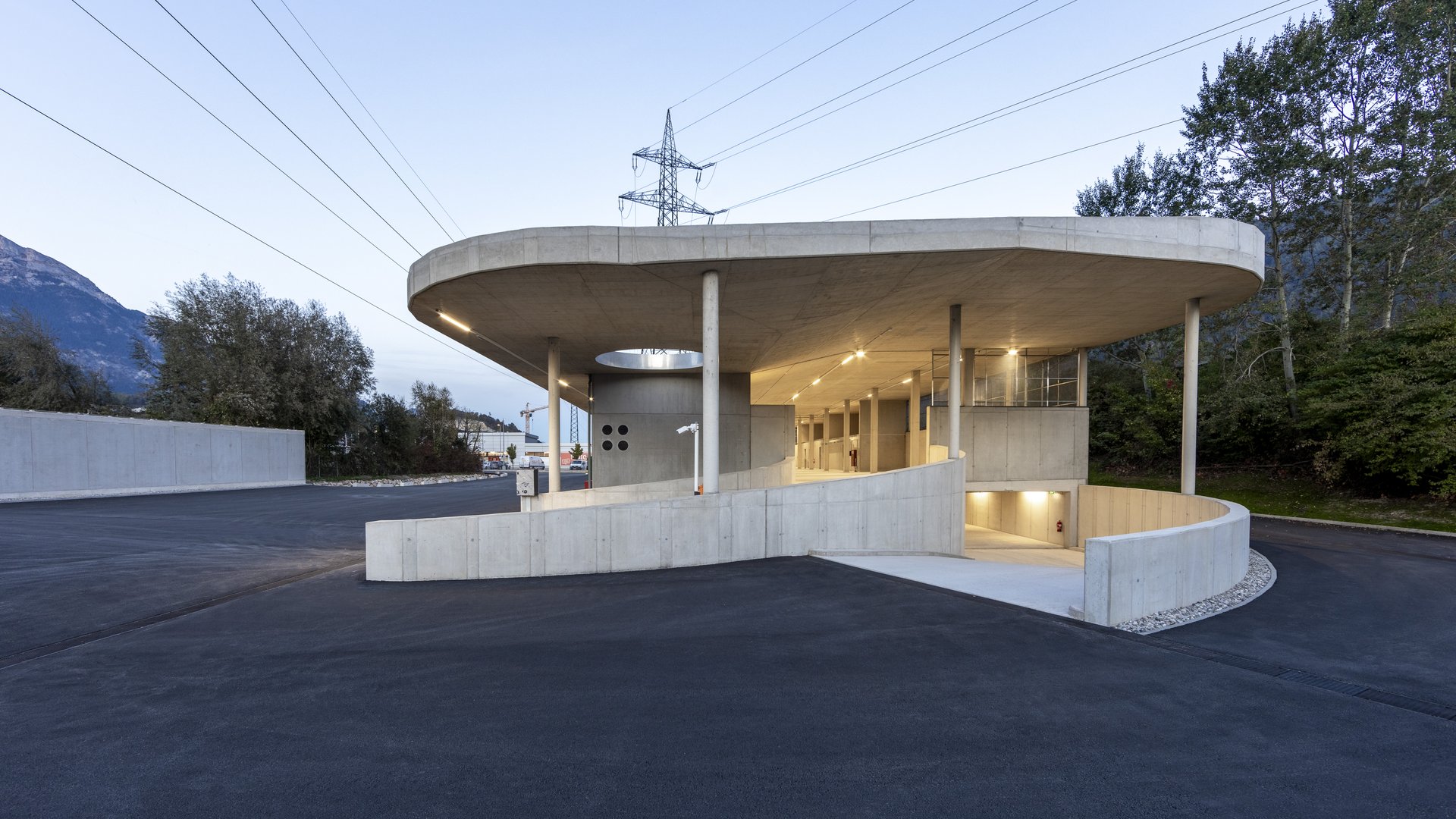
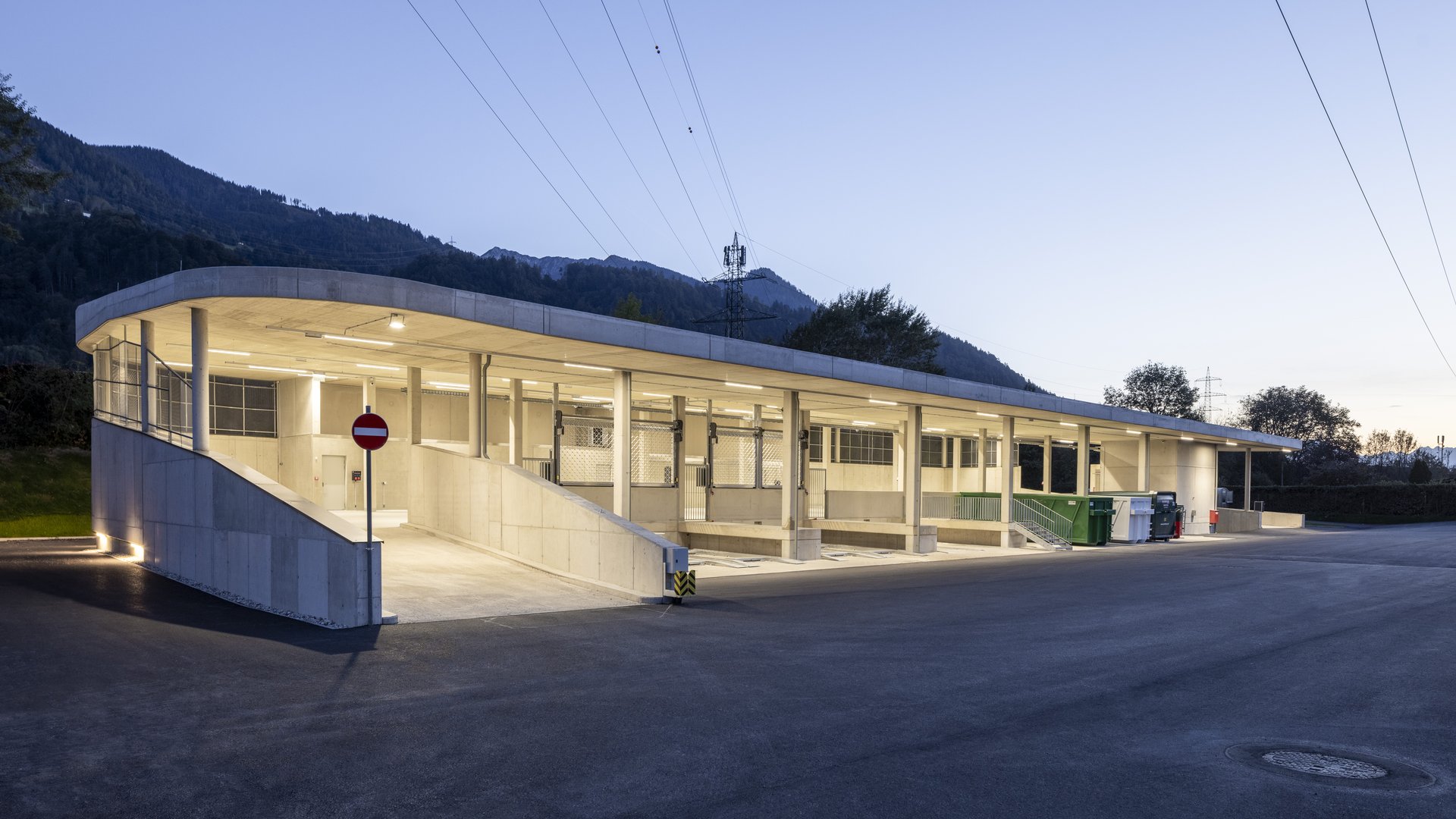
The Jenbach hybrid recycling centre demonstrates how a traditional staffed facility can be made available around the clock for selected waste streams through intelligent control systems, without altering day-to-day operations.
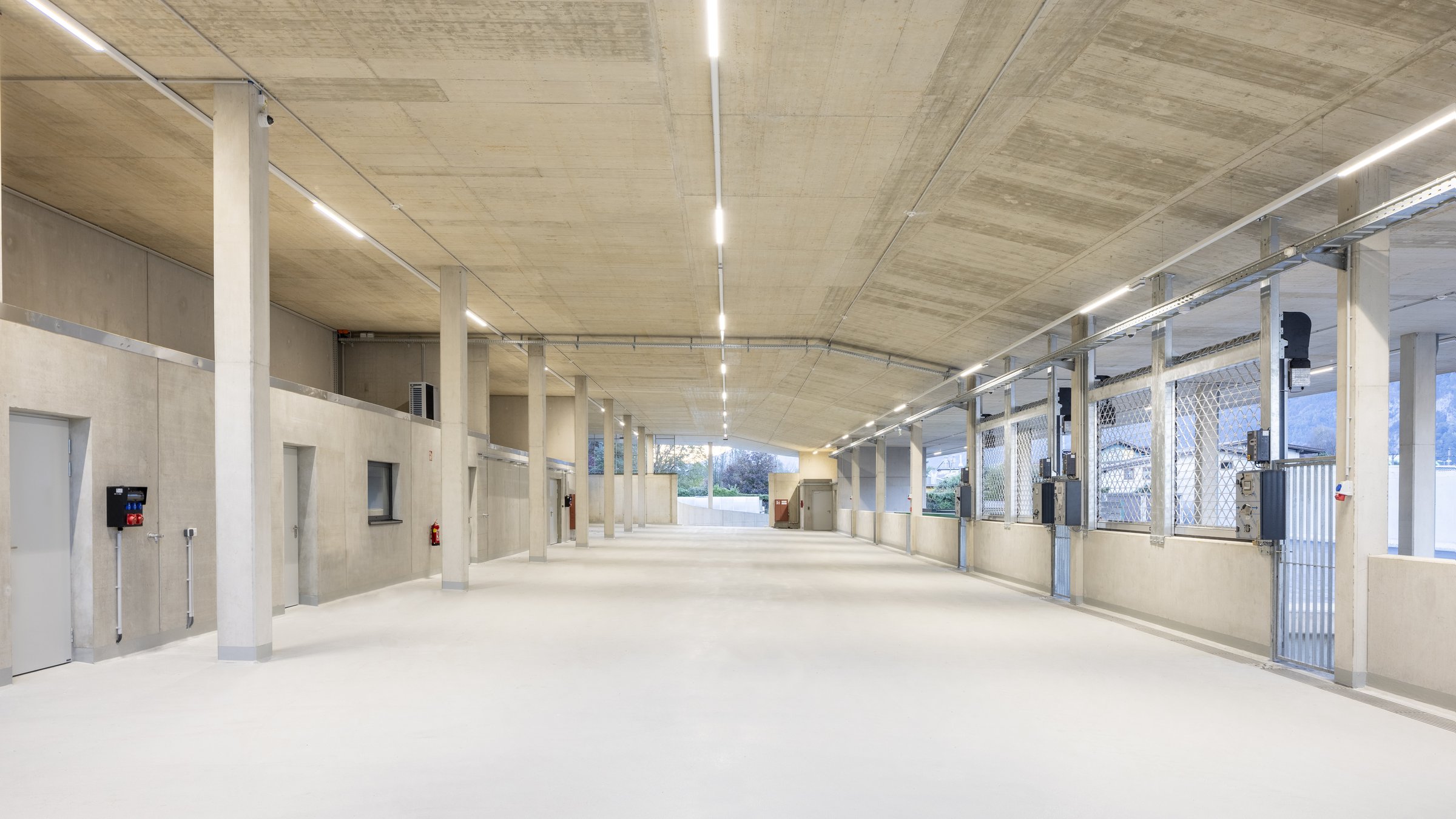
During opening hours, the site operates as usual: with staff on hand to handle all 28 waste categories. Outside these hours, the wiegon system takes over: barriers, access roads and areas are controlled automatically. This means residents can dispose of garden waste 24/7 — in a controlled, secure manner and without the need for staff.
Anyone arriving outside opening hours is identified via authorisation. The system opens only the access road to the green waste area; the rest of the yard remains locked. A control centre enables monitoring and control.
The autonomous green waste collection service reduces the frequency of staff-led operations. The result is a courtyard that adapts to residents’ daily lives, rather than the other way round. With greater convenience, better service and no additional staffing costs.
Photos: Philipp Huber
We will be happy to advise you on the implementation of your project and take the first step into the digital future together with you.
Arrange a non-binding consultation

“With the new recycling centre in Jenbach, we have created a modern, sustainable solution for our market town. At the same time, the recycling centre is the municipal facility most frequently used by our residents. This makes it all the more important that processes are simple, flexible and up to date. The combination of well-designed infrastructure and digital support is one of the most modern solutions in Austria and noticeably improves service quality and satisfaction.”