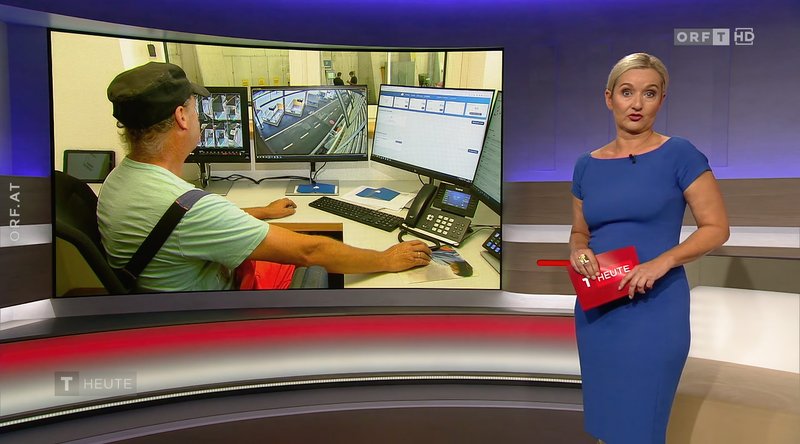
Wipptal / Tirol
Success story: 300,000 entries at the Oberes Wipptall recycling center
 Info brochure

A milestone that is more than just a number: since its launch in 2021, the Wipptal environmental zone has recorded over 300,000 visits to its digital recycling centers. This is visible proof of what can be achieved when municipalities, employees, and citizens take joint responsibility and commit to a sustainable system.
Inter-municipal cooperation that works
In the Wipptal valley, 13 municipalities with around 15,000 inhabitants have joined forces. The result is a Tyrolean showcase project: short distances, high service quality, and waste management that is transparent, efficient, and fairly organized. Here, digitalization is not an end in itself, but a tool for cooperation and impact.
Since it went into operation, impressive results have been achieved:
These figures show that when processes are clear and incentives are set correctly, behavior changes sustainably. This is made possible by an integrated digitalization concept from wiegon GmbH that connects all participants:
This allows users to keep track of their data at all times, while municipalities gain a reliable basis for data-driven waste management decisions.
The Wipptal Environmental Zone project impressively demonstrates the concrete effects of digitalization: less residual waste, more recycling, greater acceptance, and transparent use of resources. It is a system that is not only efficient but also builds trust.
We would like to thank everyone involved in Wipptal—the municipalities, the dedicated employees, and the citizens. This project is a powerful example of how the circular economy works today: collaboratively, data-driven, and future-oriented.
Photos: Manuel Pale, PV Wipptal / Tanja Egg